SafeGameHub
Introduction
Slot machines have become a staple of the gaming industry, both in physical casinos and online platforms. But what makes these seemingly simple games so captivating? The answer lies in the intricate psychology of their design. This blog post delves into how various elements of game design influence player behavior, engagement, and ultimately, their decision to keep playing.
 📱
📱
The Allure of Slot Machines
One of the key factors that draws players to slot machines is the thrill of chance and the possibility of winning big. However, it's not just luck that keeps players pulling the lever or tapping the screen. Several psychological principles and game design techniques are at play.
1. The Role of Visual and Auditory Stimuli
Slot machines are designed to engage multiple senses, creating a captivating environment that keeps players coming back for more. Here’s how:
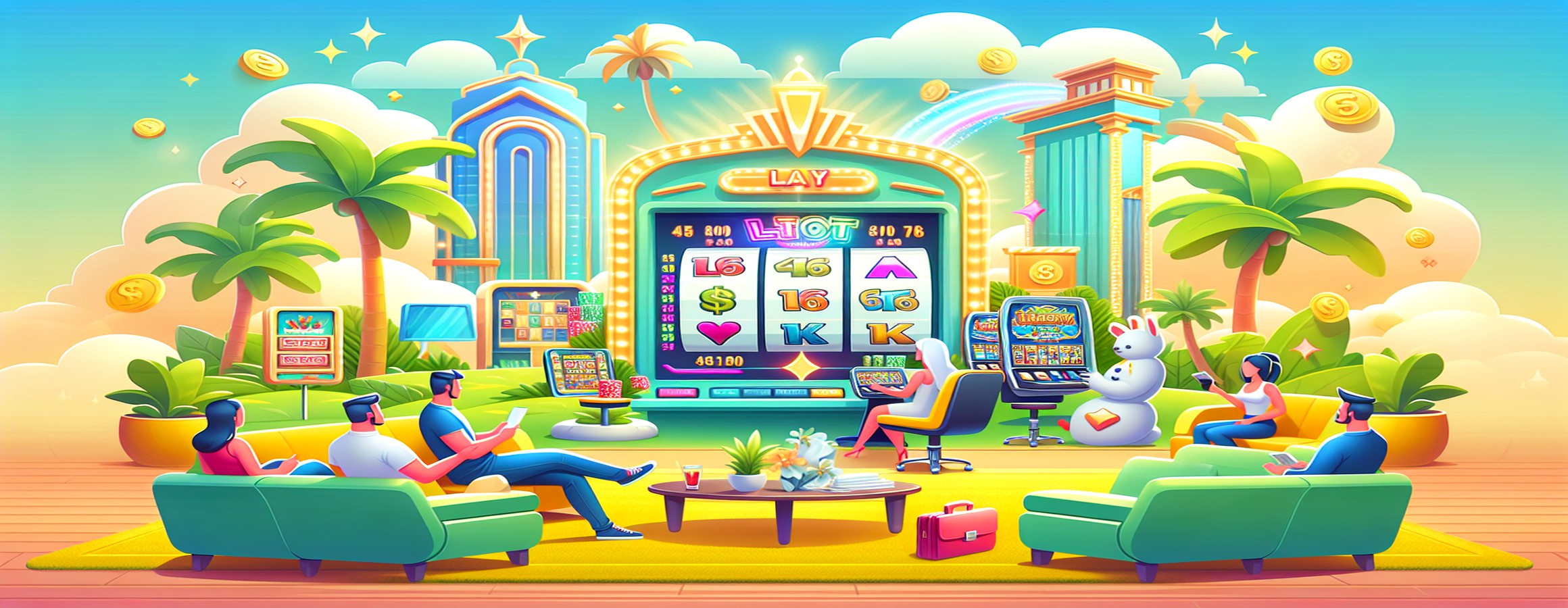
- Visual Appeal: Bright colors, animated graphics, and themed designs make slots visually stimulating. The excitement generated by changing screens and winning animations creates a sense of achievement.
- Sound Effects: The sounds of coins clinking, bells ringing, and celebratory music further enhance the gaming experience. These auditory cues trigger positive emotions, reinforcing the player’s desire to continue playing.
2. Reinforcement Schedules and Game Mechanics
The mechanics of slot machines are rooted in behavioral psychology, particularly the concept of reinforcement schedules. Here’s how they work:
- Variable Ratio Reinforcement: Slot machines often use a variable ratio schedule, meaning players receive rewards after an unpredictable number of attempts. This unpredictability creates excitement and keeps players engaged.
- Near Misses: Game designers often incorporate near misses, where players almost win. This phenomenon can trigger feelings of hope and encourage continued play, even if actual wins are rare.
3. The Impact of Themes and Storylines
Themes play a crucial role in attracting players to specific slot machines. Themed slots, whether based on popular films, TV shows, or mythology, create a narrative that players can connect with. This connection can lead to:
- Immersion: Players become part of a story, making the gaming experience more engaging.
- Emotional Attachment: A connection to a theme can lead players to develop a sense of loyalty towards certain games, increasing the likelihood of repeated play.
Understanding Player Behavior
By recognizing the psychological triggers embedded in slot machine design, we can better understand player behavior. Here are some common patterns:
- Chasing Losses: Players may continue playing to recover losses, driven by the hope of hitting a big win. This behavior can lead to significant financial consequences.
- Social Interaction: Many players enjoy the communal aspect of playing slots, especially in physical casinos. The social environment can heighten excitement and lead to longer play sessions.
Responsible Gambling: Managing Engagement
While understanding the psychology behind slot machines can enhance the gaming experience, it's also essential to prioritize responsible gambling. Here are some actionable tips:
- Set a Budget: Before playing, determine how much you are willing to spend and stick to it.
- Take Breaks: Regular breaks can help maintain perspective and prevent extended play sessions.
- Know When to Stop: Recognize the signs of excessive gambling and be prepared to walk away if necessary.
Ready to Start Playing?
Check out our top-rated casinos with exclusive bonuses for SafeGameHub readers.
View Top GamesConclusion
The design of slot machines is a fascinating intersection of psychology and gaming mechanics. By understanding how visual and auditory stimuli, reinforcement schedules, and themes influence player behavior, we can appreciate the complexity behind these popular games. However, it’s crucial to maintain a mindful approach to gambling, ensuring that the thrill of the game remains a fun and responsible pastime.